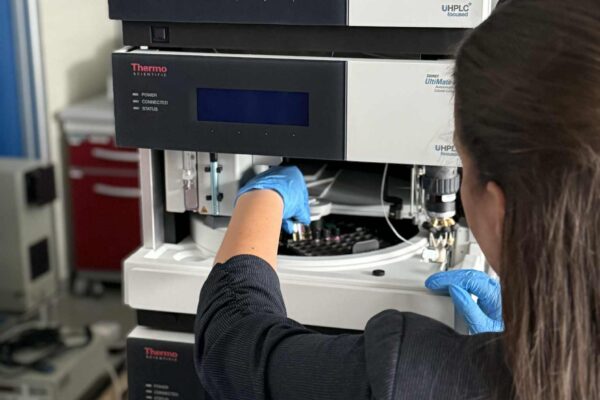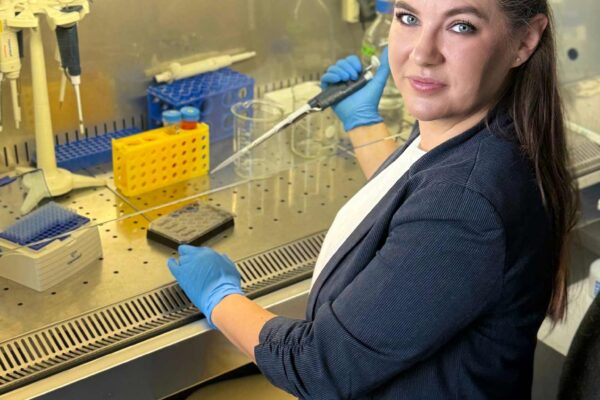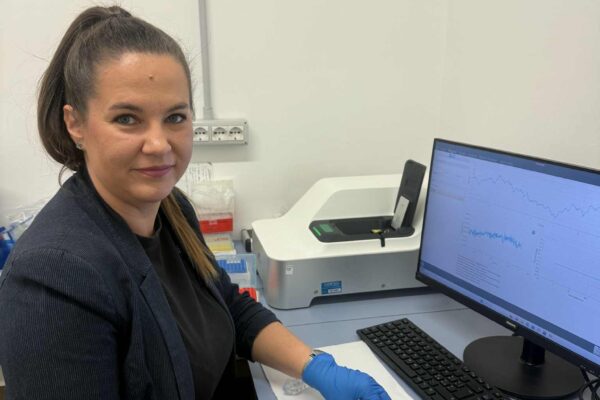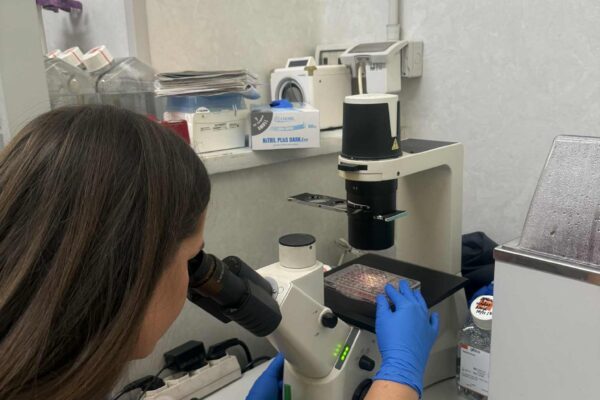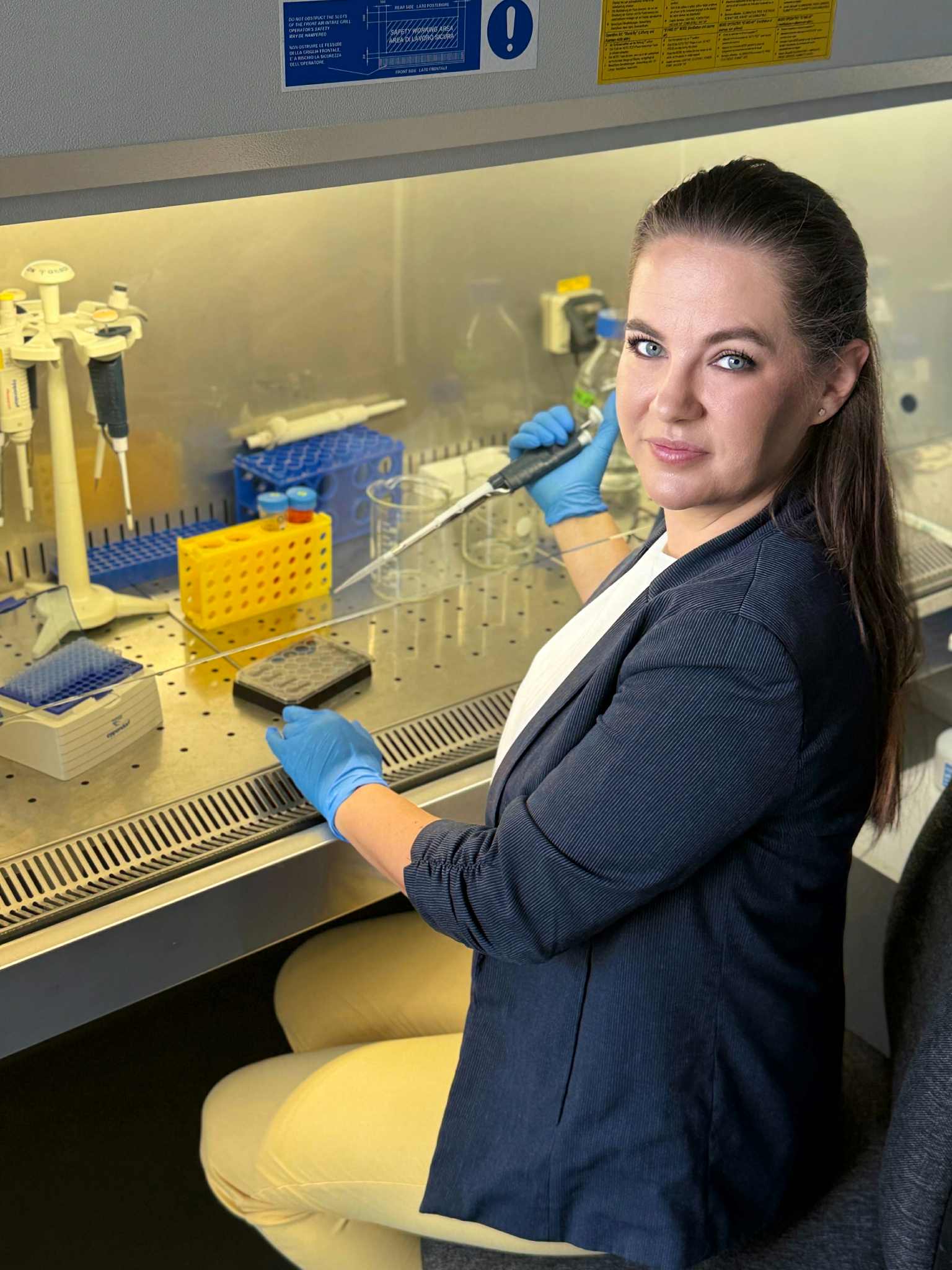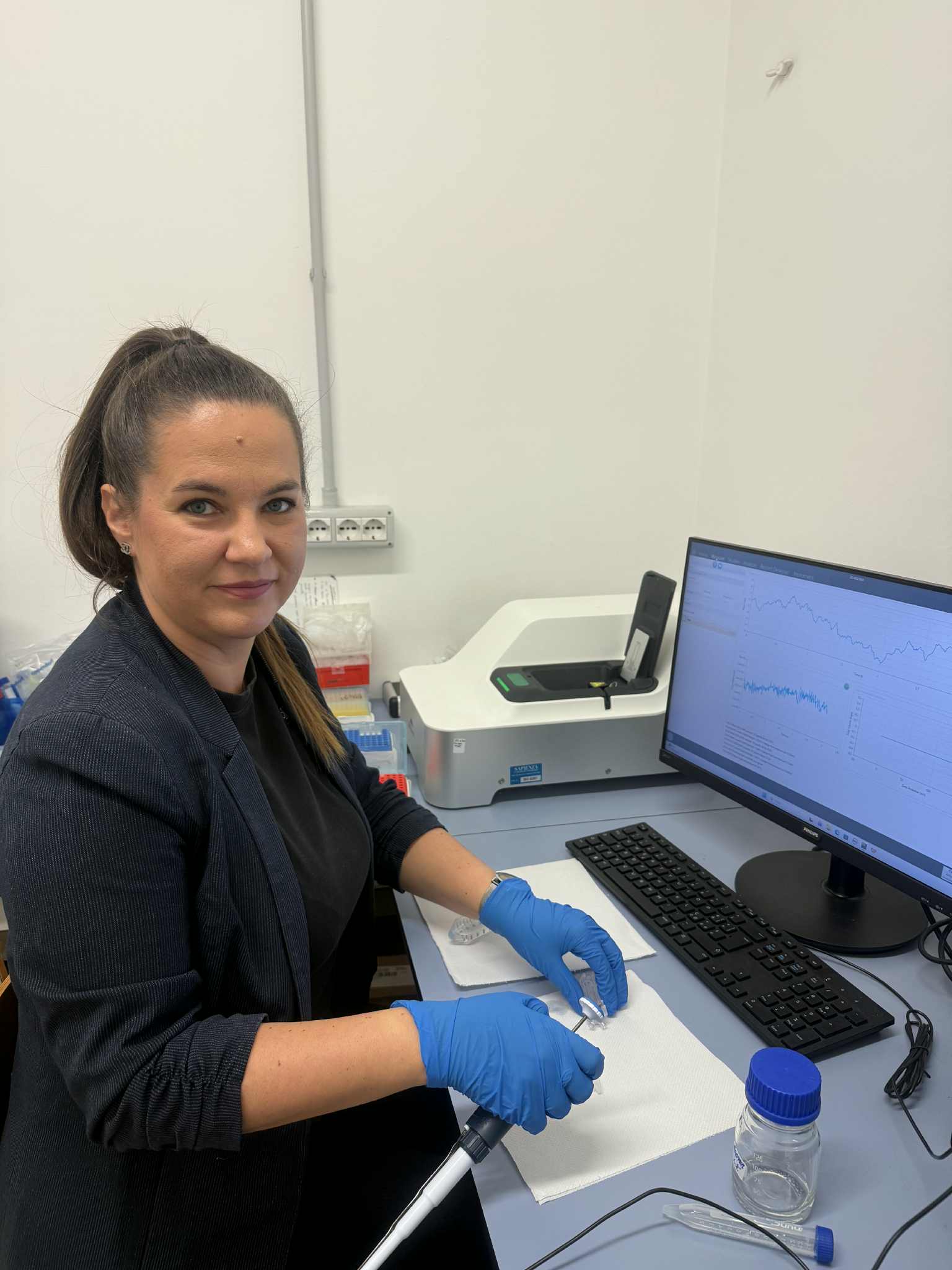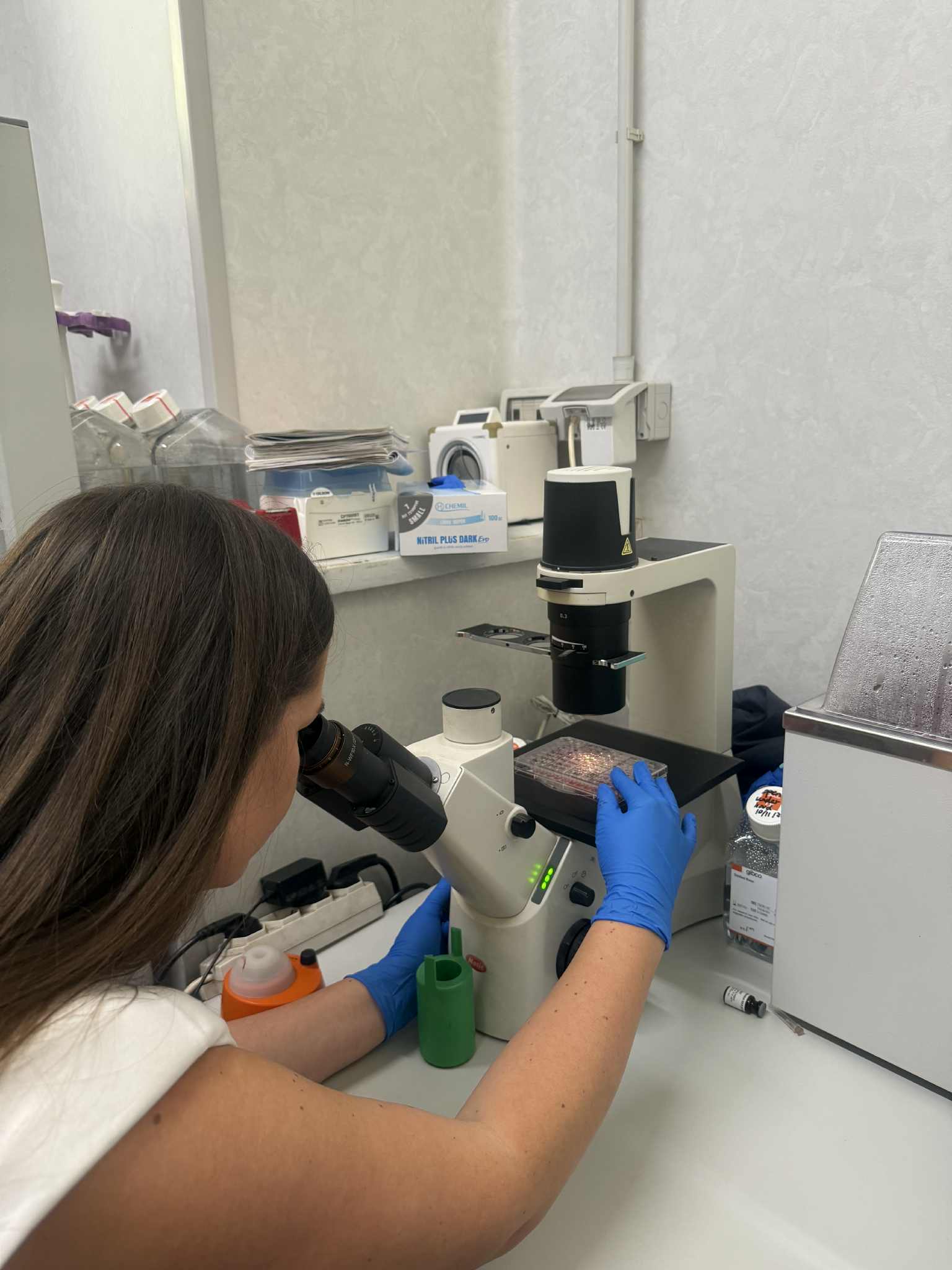

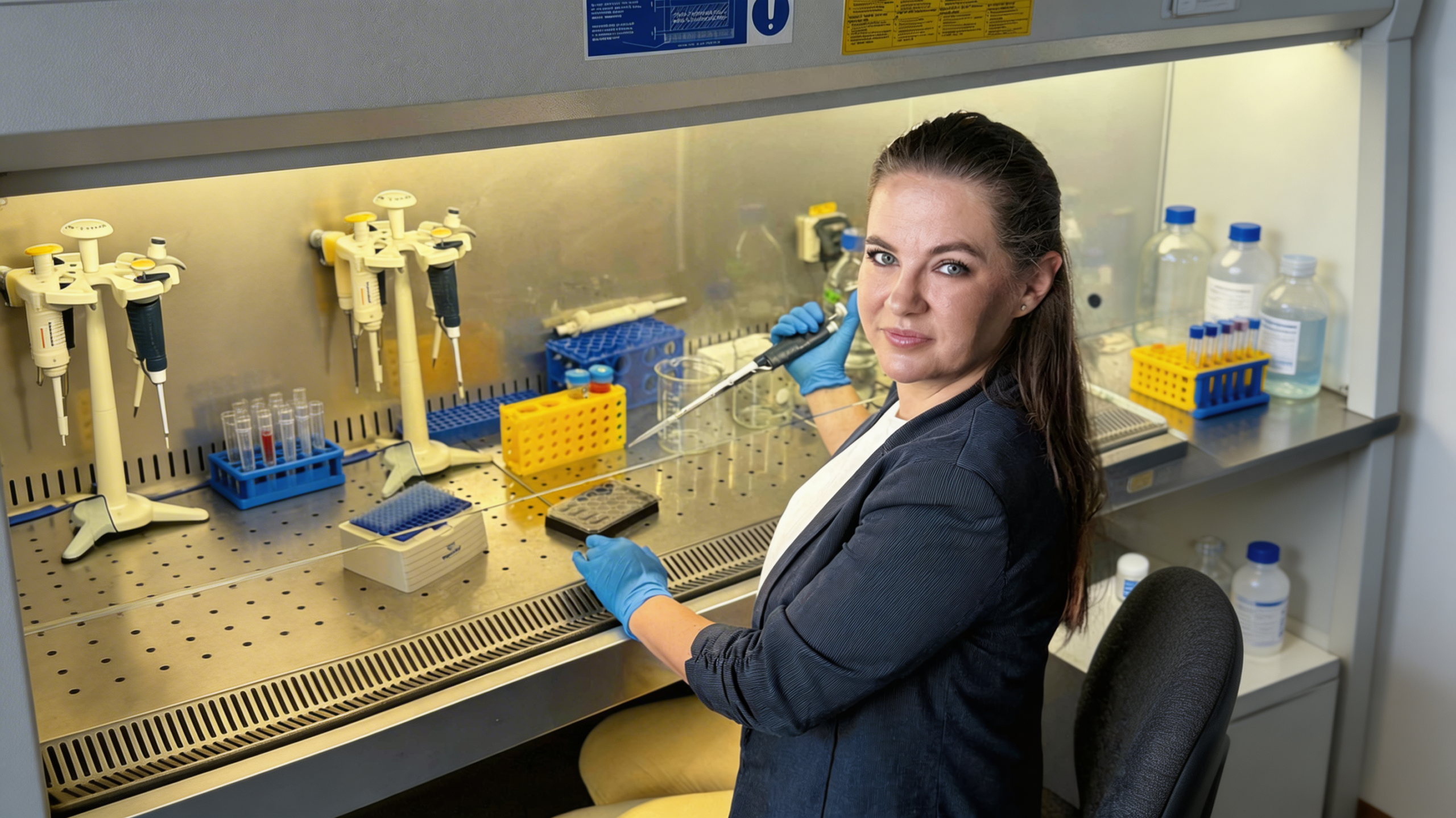

Ludmila Žárská from the Nanomaterials in Biomedicine research group at CATRIN completed research stays at the University of Milan and at Sapienza University of Rome thanks to the TECHSCALE project. While in the Italian capital, she investigated the role of the protein corona in targeted drug delivery; in Milan, she focused on testing hydrogels for tissue engineering and 3D cell models using scaffolds.
The aim of the stay in Rome was to examine how different surface modifications of a nanoplatform influence the formation of the protein corona and how this, in turn, affects the stability, functionality and cellular interactions of nanocarriers.
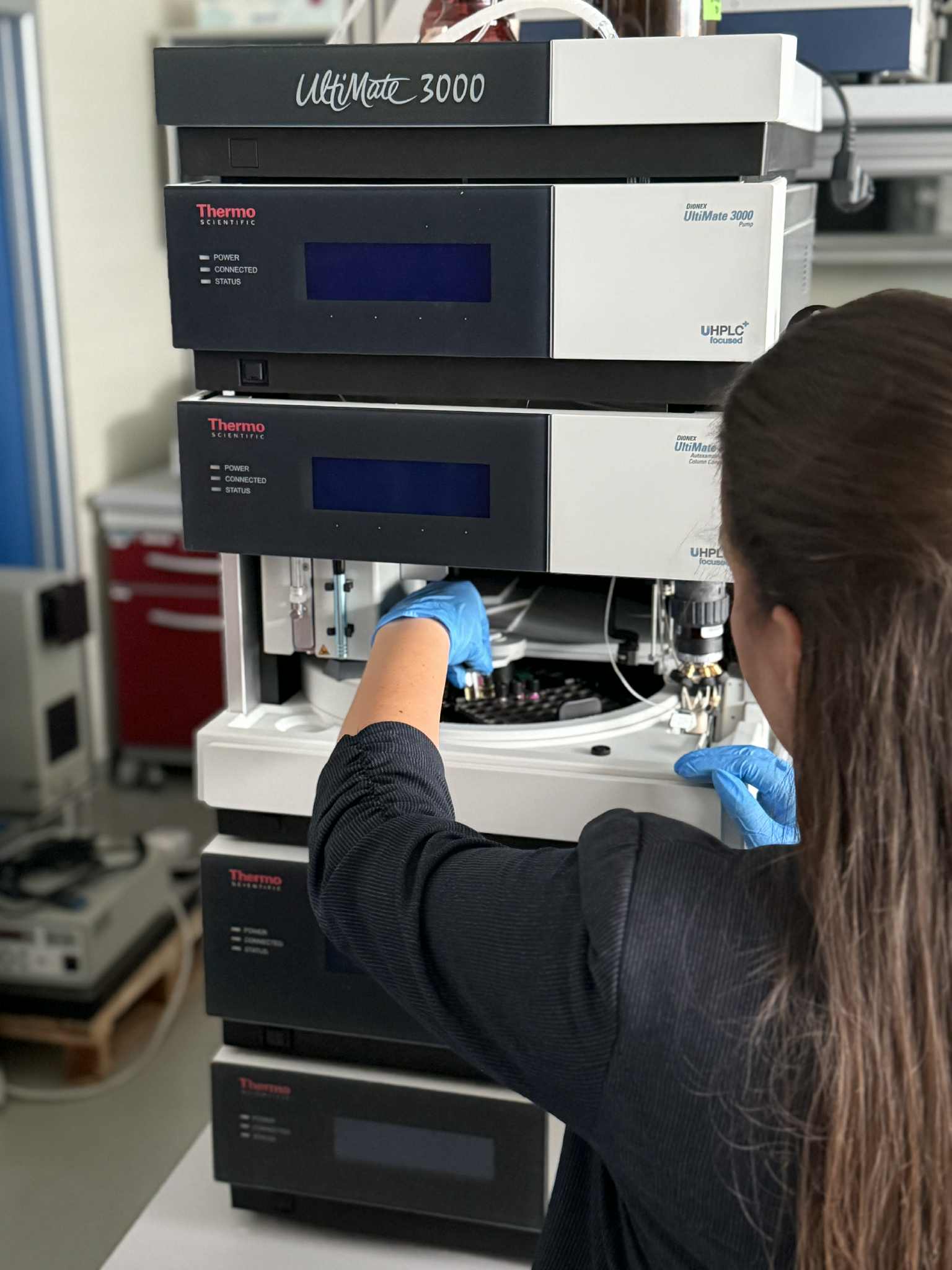
“I worked on the preparation and characterisation of several types of nanoplatform based on graphene oxide and systematically compared unmodified systems with those that were surface-modified. This approach helped me better understand how surface modifications influence the biological behaviour of nanocarriers and the efficiency of targeted drug delivery,” said Žárská, who also appreciated the opportunity to link chemical and physical modifications of drug carriers with their biological effects.
“I believe that the experience gained will help strengthen research on targeted drug delivery at my home institution while also reinforcing international collaboration with Sapienza University of Rome. We plan to build on the work already started, prepare a joint publication and further develop our cooperation,” added the researcher.
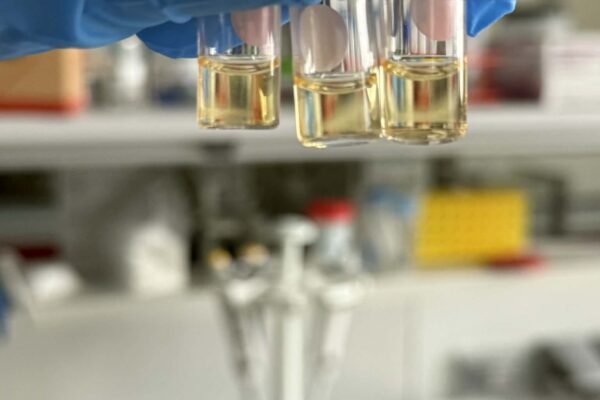
While this was her first stay at the prestigious chemistry department in Rome, Žárská had already visited the University of Milan twice before. During a three-month stay supported by TECHSCALE at the Advanced Biomaterials Platform at Fondazione, she tested various formulations of thermosensitive hydrogels and searched for optimal conditions for creating stable scaffolds – supporting structures used in tissue engineering. “As part of the follow-up study, scaffolds were prepared from a different type of material using 3D printing with various structures and infill densities. My main role was to evaluate their biocompatibility and observe how cells interact with the prepared structures,” explained Žárská.
Another part of the research focused on drug nanocarriers, particularly on optimising their surface modifications and drug-loading conditions in order to increase the efficiency of targeted delivery.
“The stay not only significantly deepened my expertise in hydrogels and 3D scaffolds, but also further strengthened our international collaboration. The next step will be a six-month research stay of a PhD student from Fondazione UNIMI in our laboratory, during which we will continue and further expand our joint research,” concluded the scientist.